5 Science-Backed Strategies to Reduce Visceral Fat and Improve Your Health
Visceral fat is often called the “hidden fat” because it surrounds internal organs deep inside the abdomen. Unlike the fat located just beneath the skin, visceral fat is metabolically active and has been strongly linked to an increased risk of serious health conditions, including type 2 diabetes, heart disease, fatty liver disease, and high blood pressure.
The good news is that how to lose visceral fat has been extensively studied by researchers, and science consistently points to several lifestyle habits that can significantly reduce this dangerous type of fat.
In this guide, you’ll discover five evidence-based strategies that can help lower visceral fat naturally while improving your overall health.
Why how to lose visceral fat is important for long-term health
Visceral fat doesn’t simply increase waist size—it affects the body’s hormonal and inflammatory systems.
Excess visceral fat produces inflammatory substances that may contribute to:
- Insulin resistance
- Cardiovascular disease
- Stroke
- Fatty liver disease
- Metabolic syndrome
- Certain cancers
Reducing visceral fat is therefore one of the most important steps toward improving long-term health.
Strategy 1: Prioritize Strength Training
One of the most effective ways to reduce visceral fat is resistance training.
Building muscle increases resting metabolic rate, allowing the body to burn more calories even while at rest.
Research suggests that strength training can:
- Improve insulin sensitivity
- Increase lean muscle mass
- Reduce abdominal fat
- Improve body composition
Experts generally recommend performing resistance exercises at least two to three times per week.
Strategy 2: Increase Daily Physical Activity
Exercise doesn’t have to be limited to the gym.
Daily movement plays a major role in reducing visceral fat.
Simple habits include:
- Walking after meals
- Taking the stairs
- Cycling
- Gardening
- Standing more often
- Stretching throughout the day
These activities increase total daily energy expenditure and support fat loss over time.
Strategy 3: Improve Your Diet
Nutrition has one of the greatest impacts on visceral fat.
A healthy eating pattern should emphasize:
- Vegetables
- Fruits
- Whole grains
- Lean protein
- Healthy fats
- Legumes
At the same time, limiting highly processed foods can make a significant difference.
Foods to reduce include:
- Sugary drinks
- Refined carbohydrates
- Ultra-processed snacks
- Excess added sugar
- Trans fats
Small dietary improvements maintained consistently often produce the best long-term results.
Strategy 4: Get Better Sleep
Sleep is frequently overlooked in weight management.
Poor sleep affects hormones that regulate hunger and appetite.
Studies have linked insufficient sleep with:
- Increased cravings
- Higher calorie intake
- Greater abdominal fat accumulation
- Reduced insulin sensitivity
Most adults should aim for seven to nine hours of quality sleep each night.
Strategy 5: Manage Chronic Stress
Long-term stress increases cortisol production.
Persistently elevated cortisol levels have been associated with greater fat storage around the abdomen.
Healthy stress-management techniques include:
- Meditation
- Deep breathing
- Regular exercise
- Spending time outdoors
- Reading
- Relaxation techniques
Managing stress benefits both mental and physical health.
Why Visceral Fat Is Different From Subcutaneous Fat
Not all body fat behaves the same way.
Subcutaneous fat lies directly beneath the skin.
Visceral fat surrounds internal organs such as:
- Liver
- Pancreas
- Intestines
Because of its location, visceral fat has a much greater impact on metabolism and inflammation.
Can You Target Belly Fat Specifically?
Many people believe abdominal exercises alone can eliminate belly fat.
However, scientific evidence shows that spot reduction is not possible.
Instead, reducing overall body fat through healthy lifestyle habits gradually decreases visceral fat as well.
Core exercises strengthen abdominal muscles but do not selectively burn belly fat.
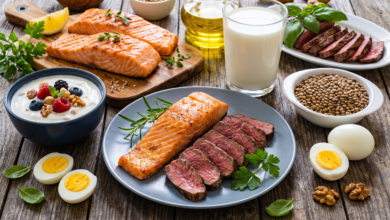
Foods That May Help Reduce Visceral Fat
Several foods are associated with improved metabolic health.
These include:
- Fatty fish
- Olive oil
- Nuts
- Berries
- Oats
- Beans
- Greek yogurt
- Leafy greens
A balanced dietary pattern matters more than any single “superfood.”
The Role of Weight Loss
Even modest weight loss can produce meaningful improvements.
Research suggests that losing 5% to 10% of body weight may significantly reduce visceral fat while improving:
- Blood pressure
- Blood sugar
- Cholesterol
- Liver health
Gradual weight loss tends to be more sustainable than extreme dieting.
Lifestyle Habits Matter More Than Quick Fixes
Many products claim to burn belly fat quickly.
However, scientific evidence consistently favors sustainable lifestyle changes rather than miracle solutions.
Healthy habits performed consistently usually outperform short-term restrictive diets.
When Should You See a Healthcare Professional?
If you have obesity, diabetes, high blood pressure, or persistent abdominal weight gain, professional guidance may be beneficial.
A healthcare provider can evaluate:
- Metabolic health
- Cardiovascular risk
- Liver function
- Blood glucose
- Individual treatment options
Personalized care often leads to better long-term results.
Conclusion
Learning how to lose visceral fat is about much more than improving appearance.
Reducing this dangerous abdominal fat lowers the risk of chronic diseases and supports better metabolic health.
Science shows that combining strength training, regular physical activity, healthy eating, quality sleep, and stress management offers one of the most effective strategies for reducing visceral fat naturally.
Small, consistent lifestyle changes can produce significant improvements over time.
FAQ
What is visceral fat?
Visceral fat is fat stored around internal organs inside the abdominal cavity.
Is visceral fat dangerous?
Yes. Excess visceral fat is associated with increased risks of heart disease, diabetes, fatty liver disease, and metabolic syndrome.
What exercise is best for reducing visceral fat?
A combination of strength training and aerobic exercise appears to provide the greatest benefits.
Can diet alone reduce visceral fat?
Diet plays a major role, but combining healthy eating with regular physical activity produces better long-term results.

Hello! My name is Alan Teixeira and I am passionate about helping people live healthier, more balanced lives. From mindful eating to daily habits that promote physical and mental well-being, I believe that small, consistent changes can lead to powerful transformations.
I created this blog to share practical tips, reliable information, and thoughtful insights that can inspire you to take better care of yourself—with balance, mindfulness, and positivity.
If you are looking to improve your health, nourish your body, and build a lighter, more fulfilling routine, you are in the right place. Welcome!