Understanding and targeting visceral fat is crucial for long-term health, as it’s far more insidious than the subcutaneous fat you can pinch. This deep abdominal fat wraps around your vital organs, silently increasing your risk of serious chronic diseases. It’s not merely an aesthetic concern but a critical health indicator that demands our immediate attention and proactive strategies.
Unlike visible fat, visceral fat actively releases inflammatory compounds and hormones, disrupting your body’s delicate balance and contributing to systemic inflammation. This internal threat can lead to insulin resistance, hormonal imbalances, and a heightened risk of cardiovascular events, making its reduction a priority for overall well-being. Even individuals who appear lean externally can harbor dangerous levels of this “invisible” fat, underscoring the importance of understanding its impact.
This comprehensive guide delves into advanced, evidence-based tactics to effectively combat visceral fat, offering a deeper dive into nutritional science, exercise physiology, and lifestyle adjustments. We’ll explore strategies that go beyond surface-level advice, providing actionable insights to empower you on your journey to a healthier, more vibrant life, free from the hidden dangers of internal fat accumulation.

Deciphering Visceral Fat: The Hidden Health Threat
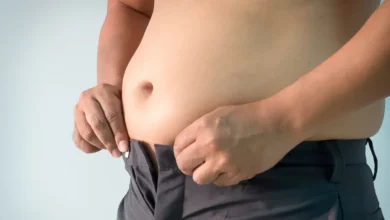
Visceral fat is a specific type of fat stored deep within the abdominal cavity, surrounding organs like the liver, pancreas, and intestines. Unlike subcutaneous fat, which lies just beneath the skin, visceral fat is metabolically active, releasing free fatty acids, inflammatory cytokines, and hormones that can disrupt bodily functions. This metabolic activity is precisely what makes it so dangerous, linking it to a higher incidence of metabolic syndrome, type 2 diabetes, heart disease, and even certain cancers. Its presence can significantly compromise organ function and overall health, regardless of your external appearance.
The Science Behind Visceral Fat Accumulation
The accumulation of visceral fat is a complex interplay of genetics, lifestyle choices, and hormonal factors. Chronic stress, for instance, elevates cortisol levels, which are directly linked to increased visceral fat storage. A diet high in refined carbohydrates, sugary drinks, and unhealthy fats also contributes significantly, promoting insulin resistance and fat deposition around organs. Furthermore, a sedentary lifestyle reduces energy expenditure and muscle mass, further tipping the scales towards visceral fat gain. Understanding these underlying mechanisms is the first step towards effective intervention and sustainable reduction.
Advanced Nutritional Strategies for Targeting Visceral Fat
While the competitor briefly mentioned diet, a more in-depth approach reveals powerful nutritional levers:
The Power of Whole Foods and Fiber
Shifting from ultra-processed foods to whole, unprocessed options is paramount. Whole grains, rich in soluble fiber, play a crucial role. Studies, like those from Tufts University, indicate that individuals consuming three or more daily servings of whole grains (e.g., brown rice, oats, whole wheat) have significantly less visceral fat compared to those who prefer refined grains. Soluble fiber creates a gel-like substance in the digestive tract, slowing digestion, promoting satiety, and reducing calorie absorption. Furthermore, it feeds beneficial gut bacteria, which produce short-chain fatty acids that can positively influence metabolism and reduce inflammation.
Strategic Protein Intake
Adequate protein intake is essential for preserving muscle mass during weight loss, which in turn boosts metabolism. Protein also has a higher thermic effect of food (TEF) compared to carbohydrates and fats, meaning your body burns more calories digesting it. Incorporating lean protein sources like chicken, fish, legumes, and dairy into each meal can significantly aid in visceral fat reduction by promoting satiety and supporting a healthy metabolic rate.
Healthy Fats vs. Unhealthy Fats
Not all fats are created equal. While trans fats and excessive saturated fats contribute to visceral fat accumulation, monounsaturated and polyunsaturated fats can be beneficial. Avocados, as mentioned by the competitor, are an excellent source of monounsaturated fats, along with bioactive compounds that support a healthy metabolism and reduce inflammation. Other sources include olive oil, nuts, and seeds. These healthy fats can improve insulin sensitivity and help regulate fat storage, actively working against the accumulation of visceral fat.
The Role of Probiotics and Gut Health
Emerging research highlights the profound connection between gut microbiome health and visceral fat. A balanced gut flora can influence metabolism, inflammation, and even appetite regulation. Incorporating fermented foods like yogurt, kefir, sauerkraut, and kimchi, or considering a high-quality probiotic supplement, can support a healthy gut environment, potentially aiding in the reduction of visceral fat.
Optimized Exercise Regimens for Visceral Fat Reduction
Beyond general exercise, specific types of physical activity are more effective at targeting visceral fat:
High-Intensity Interval Training (HIIT)
The competitor correctly identified HIIT, but its effectiveness warrants deeper exploration. HIIT involves short bursts of intense anaerobic exercise followed by brief recovery periods. Research from the University of Laval, Canada, and a review from the Federal University of Goiás, Brazil, consistently show that HIIT can burn significantly more fat, including visceral fat, than traditional moderate-intensity cardio. This is due to its potent effect on excess post-exercise oxygen consumption (EPOC), where your body continues to burn calories at an elevated rate long after the workout is over. HIIT also improves insulin sensitivity and boosts growth hormone production, both favorable for fat loss.
Strength Training and Muscle Mass
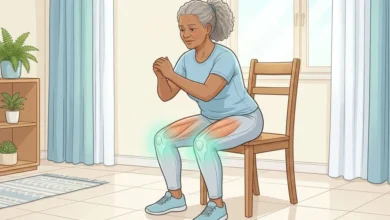
While HIIT is powerful, combining it with strength training offers a synergistic effect. Building and maintaining muscle mass is crucial because muscle is metabolically active, burning more calories at rest than fat tissue. Incorporating compound exercises (squats, deadlifts, presses) that work multiple muscle groups will increase overall calorie expenditure and improve body composition, directly contributing to a reduction in visceral fat. A higher lean muscle mass helps maintain a higher basal metabolic rate, making it easier to manage weight and fat levels.
The Importance of Consistent Movement and NEAT
Beyond structured workouts, increasing Non-Exercise Activity Thermogenesis (NEAT) is vital. This includes all the calories burned from daily activities outside of planned exercise, such as walking, standing, fidgeting, and taking the stairs. Sedentary behavior is a strong predictor of visceral fat accumulation, even in physically active individuals. Breaking up long periods of sitting with short walks or standing desk usage can make a significant difference over time.
Lifestyle Adjustments to Conquer Visceral Fat
Effective visceral fat reduction extends beyond diet and exercise to encompass holistic lifestyle changes:
Stress Management Techniques
Chronic stress elevates cortisol, a hormone that promotes visceral fat storage. Implementing stress-reduction techniques like meditation, yoga, deep breathing exercises, spending time in nature, or engaging in hobbies can significantly lower cortisol levels. Prioritizing mental well-being is a powerful, often overlooked, strategy in the fight against visceral fat.
Quality Sleep
Sleep deprivation disrupts hormones that regulate appetite (ghrelin and leptin) and increases cortisol. Studies consistently link insufficient sleep (less than 7-8 hours per night) to increased visceral fat. Prioritizing consistent, high-quality sleep is a non-negotiable component of any effective visceral fat reduction plan. Establish a regular sleep schedule, create a dark and cool sleep environment, and avoid screens before bed.
Limiting Alcohol Intake
Alcohol, especially in excess, contributes to visceral fat accumulation (the “beer belly” phenomenon). It’s high in empty calories, can impair liver function, and disrupts fat metabolism. Reducing or eliminating alcohol consumption can have a significant positive impact on your efforts to reduce visceral fat.
Beyond Lifestyle: Emerging Therapies and Professional Guidance
While the competitor briefly mentioned infrared laser therapy, it’s crucial to emphasize that these are often adjunctive and require professional oversight. Technologies like infrared laser therapy, cryolipolysis, or radiofrequency treatments, while showing promise in some studies (like those from USP’s Institute of Physics of São Carlos for liver fat), are not standalone solutions for visceral fat. They should always be considered as supplementary to fundamental lifestyle changes in diet and exercise, under the strict guidance of medical professionals. Consulting with a physician, registered dietitian, or certified personal trainer can provide personalized strategies and ensure safe, effective progress.
Conclusion
Eliminating visceral fat is a critical endeavor for long-term health, extending far beyond aesthetic concerns. It requires a comprehensive, science-backed approach that integrates strategic nutritional choices, optimized exercise regimens, and crucial lifestyle adjustments. By prioritizing whole foods, embracing HIIT and strength training, managing stress, ensuring quality sleep, and seeking professional guidance when needed, you can effectively combat this hidden health threat. Taking proactive steps to reduce visceral fat empowers you to mitigate the risks of chronic diseases and cultivate a healthier, more vibrant life.

Hello! My name is Alan Teixeira and I am passionate about helping people live healthier, more balanced lives. From mindful eating to daily habits that promote physical and mental well-being, I believe that small, consistent changes can lead to powerful transformations.
I created this blog to share practical tips, reliable information, and thoughtful insights that can inspire you to take better care of yourself—with balance, mindfulness, and positivity.
If you are looking to improve your health, nourish your body, and build a lighter, more fulfilling routine, you are in the right place. Welcome!