Obesity is widely known for increasing the risk of heart disease, diabetes, and high blood pressure. However, one of its lesser-known consequences is the accumulation of fat in the liver, a condition that can progress to serious liver disease if left untreated.
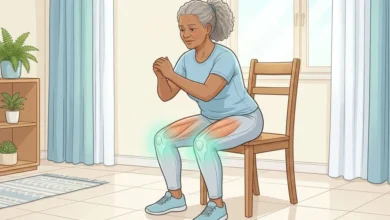
A new scientific study suggests that strength training for fatty liver may play an important role in protecting liver health. Researchers found that resistance exercise not only improves muscle strength but may also reduce inflammation and liver damage associated with obesity.
These findings reinforce the growing body of evidence showing that exercise is one of the most effective non-drug strategies for improving metabolic health.
Why strength training for fatty liver matters
Non-alcoholic fatty liver disease (NAFLD), recently renamed metabolic dysfunction-associated steatotic liver disease (MASLD), affects millions of people worldwide.
The condition occurs when excess fat accumulates inside liver cells, often due to obesity, insulin resistance, and poor lifestyle habits.
Without proper treatment, it may progress to:
- Liver inflammation
- Fibrosis
- Cirrhosis
- Liver failure
- Increased cardiovascular risk
Researchers continue searching for effective lifestyle interventions capable of slowing or reversing this progression.
The new study on obesity and liver health
Scientists investigated how resistance exercise affects liver damage caused by obesity.
The results showed that regular strength training reduced several biological markers associated with liver inflammation and tissue injury.
According to the researchers, exercise appeared to improve metabolic function while decreasing harmful processes linked to obesity-related liver disease.
These benefits occurred even before significant weight loss was observed.
How strength training protects the liver
Resistance exercise produces several physiological changes that support liver health.
Among its potential benefits are:
- Improved insulin sensitivity
- Reduced body fat
- Lower systemic inflammation
- Better glucose regulation
- Increased muscle mass
- Improved energy metabolism
Together, these adaptations help decrease stress placed on the liver.
Muscle plays an important role in metabolism
Many people think of muscles only in terms of strength or appearance.
However, skeletal muscle functions as an important metabolic organ.
Healthy muscle tissue helps:
- Remove glucose from the bloodstream
- Improve insulin function
- Burn more calories
- Regulate hormones
- Reduce fat accumulation
Increasing muscle mass may therefore indirectly benefit liver function.
Strength training and obesity
Obesity affects nearly every organ in the body.
Excess body fat increases chronic inflammation, making it more difficult for organs such as the liver to function properly.
Strength training helps combat obesity by:
- Preserving lean muscle
- Increasing resting metabolic rate
- Supporting long-term fat loss
- Improving physical function
These benefits extend beyond weight management alone.
Can strength training reverse fatty liver?
Exercise alone may not completely reverse advanced liver disease.
However, numerous studies suggest that regular physical activity can significantly reduce liver fat and improve liver enzyme levels.
When combined with healthy eating and weight management, strength training becomes one of the most effective lifestyle treatments available.
How often should you perform strength training?
Most health organizations recommend:
- Two to four resistance training sessions per week
- Working all major muscle groups
- Gradually increasing intensity
- Allowing proper recovery between sessions
Beginners should start with light weights and proper supervision whenever possible.
Best strength exercises for beginners
Simple resistance exercises include:
- Squats
- Leg press
- Chest press
- Seated row
- Shoulder press
- Deadlifts (with proper technique)
- Resistance bands
- Bodyweight exercises
The goal is consistency rather than maximum intensity.
Nutrition remains essential
Exercise alone cannot fully compensate for an unhealthy diet.
People with obesity-related fatty liver should also focus on:
- Eating more vegetables
- Reducing added sugars
- Limiting ultra-processed foods
- Choosing lean proteins
- Consuming healthy fats
- Drinking enough water
Combining nutrition and exercise provides the greatest benefits.
Other lifestyle habits that support liver health
Besides resistance training, experts recommend:
- Getting adequate sleep
- Managing stress
- Avoiding excessive alcohol consumption
- Staying physically active throughout the day
- Maintaining a healthy body weight
Small daily habits often produce significant long-term improvements.
Who should talk to a doctor first?
Although strength training is safe for most people, medical guidance is recommended for individuals with:
- Advanced liver disease
- Heart disease
- Severe obesity
- Uncontrolled diabetes
- Joint problems
A healthcare professional can recommend an individualized exercise program.
What these findings mean
The study adds to growing scientific evidence showing that resistance exercise offers benefits far beyond building muscle.
It may become an important part of preventing and managing obesity-related liver disease, particularly when combined with healthy lifestyle changes.
Researchers continue investigating exactly how exercise protects liver cells and reduces inflammation.
Conclusion
The latest research suggests that strength training for fatty liver may help reduce liver damage associated with obesity by improving metabolism, decreasing inflammation, and supporting healthier body composition.
Although exercise is not a cure, regular resistance training combined with proper nutrition and medical guidance can become one of the most effective strategies for protecting liver health and reducing the long-term complications of obesity.

Hello! My name is Alan Teixeira and I am passionate about helping people live healthier, more balanced lives. From mindful eating to daily habits that promote physical and mental well-being, I believe that small, consistent changes can lead to powerful transformations.
I created this blog to share practical tips, reliable information, and thoughtful insights that can inspire you to take better care of yourself—with balance, mindfulness, and positivity.
If you are looking to improve your health, nourish your body, and build a lighter, more fulfilling routine, you are in the right place. Welcome!