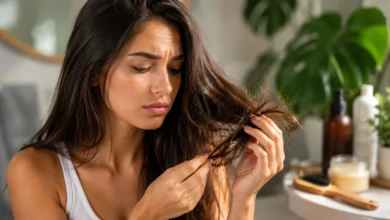
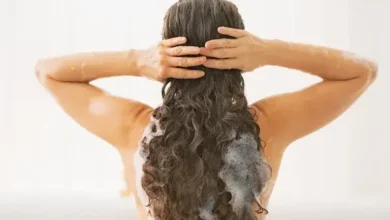
Healthy hair doesn’t depend on expensive products or complicated routines. Small changes in your daily habits can make a significant difference in the appearance, strength, and overall condition of your strands. Building healthy hair habits is one of the simplest ways to reduce breakage and maintain stronger, shinier hair.
Hair can become weak because of heat styling, chemical treatments, excessive brushing, dryness, poor nutrition, and environmental exposure. While some damage cannot be reversed, changing the way you care for your hair can help prevent additional damage and support healthier growth.
The key is consistency. Instead of constantly changing products or following complicated trends, focus on simple habits that protect your hair every day. Here are seven practical habits that can help improve your hair health.
1. Follow a Consistent Hair Care Routine
One of the most important healthy hair habits is maintaining a routine that matches your hair type and needs.
Use a gentle shampoo to cleanse the scalp and apply conditioner to the lengths and ends. If your hair is particularly dry or damaged, adding a deep-conditioning treatment once a week may help improve softness and manageability.
You don’t necessarily need dozens of products. A simple routine performed consistently can be more beneficial than frequently changing your products.
2. Limit Excessive Heat Styling
Flat irons, curling irons, and hot blow dryers can weaken the hair shaft when used too frequently.
Whenever possible, allow your hair to air dry naturally. When using heat tools, apply a heat-protective product and choose a moderate temperature.
Reducing repeated heat exposure can help minimize dryness, split ends, and breakage.
3. Be Gentle When Brushing
Hair is particularly vulnerable to breakage when it is wet.
Instead of aggressively pulling through knots, use a wide-tooth comb or a gentle detangling brush. Start at the ends and gradually work your way toward the roots.
Avoid brushing aggressively and never force a comb through severe tangles. Gentle handling is one of the easiest ways to protect fragile strands.
4. Keep Your Hair Properly Hydrated
Dry hair tends to become brittle and break more easily.
Conditioner helps maintain moisture and improves the smoothness of the hair cuticle. Leave-in conditioners and occasional hair masks can also be useful for people with particularly dry or damaged hair.
Ingredients such as shea butter, aloe vera, glycerin, ceramides, and certain plant oils can help improve the feel and manageability of dry hair.
5. Protect Your Hair While Sleeping
Your nighttime routine can also affect hair health.
Friction between your hair and a rough pillowcase can contribute to tangling and breakage, especially if your hair is fragile or chemically treated.
Using a satin or silk pillowcase, or wearing a soft sleep bonnet, can reduce friction and help keep hair smoother overnight.
6. Eat a Balanced Diet
Hair health is also connected to nutrition.
Your body needs adequate protein and a variety of vitamins and minerals to support normal hair growth. Include foods such as eggs, fish, beans, nuts, vegetables, fruits, and whole grains in your diet.
If you suspect a nutritional deficiency or experience unusual hair loss, speak with a healthcare professional before taking supplements.
7. Protect Your Hair From Environmental Damage
Sun exposure, chlorine, saltwater, and pollution can affect the condition of your hair.
When spending extended periods outdoors, wearing a hat can provide physical protection from the sun. If you swim regularly, rinse your hair with fresh water afterward and use appropriate conditioning products.
Small protective measures can prevent repeated environmental stress from accumulating over time.
How Long Does It Take to Notice Healthier Hair?
Hair doesn’t become stronger overnight. The results of better healthy hair habits usually become more noticeable after several weeks of consistent care.
You may first notice improvements in softness, shine, and manageability. Over time, reducing breakage can also make it easier to retain length and maintain a fuller appearance.
Remember that hair grows relatively slowly, so patience is essential.
What Habits Can Damage Hair the Most?
Some of the most common habits associated with hair damage include:
- Using high heat every day
- Bleaching hair repeatedly
- Tight hairstyles
- Aggressive brushing
- Washing with very hot water
- Skipping conditioner
- Frequently changing chemical treatments
- Ignoring split ends and severe damage
You don’t have to eliminate every styling habit completely. The goal is to reduce unnecessary stress and give your hair enough time to recover between treatments.
When Should You See a Dermatologist?
If you experience sudden or significant hair loss, persistent thinning, scalp irritation, or unusual changes in hair texture, consider consulting a dermatologist.
Hair problems can sometimes be associated with medical conditions, hormonal changes, medications, or nutritional deficiencies.
A professional can help determine whether your symptoms are related to hair care practices or require further evaluation.
Conclusion
Following healthy hair habits doesn’t have to be complicated. Protecting your hair from excessive heat, brushing gently, maintaining moisture, eating a balanced diet, and reducing environmental damage can all contribute to healthier-looking strands.
The most important factor is consistency. Small changes repeated every day can help reduce unnecessary damage and make your hair stronger, smoother, and easier to manage over time.
Frequently Asked Questions
How can I make my hair stronger naturally?
Focus on a balanced diet, adequate protein, gentle hair care, regular conditioning, and limiting excessive heat and chemical treatments.
How often should I use a hair mask?
For many people, once a week is sufficient. Very dry or damaged hair may benefit from more frequent conditioning depending on the product and hair type.
Does brushing cause hair breakage?
Aggressive brushing can contribute to breakage, particularly when hair is wet or tangled. Gentle detangling is preferable.
Can nutrition affect hair health?
Yes. Adequate protein and essential nutrients are important for normal hair growth and maintenance.
Can damaged hair repair itself?
The hair shaft is not living tissue, so severe structural damage cannot be completely reversed. However, proper care can improve its appearance and prevent additional damage.

Hello! My name is Alan Teixeira and I am passionate about helping people live healthier, more balanced lives. From mindful eating to daily habits that promote physical and mental well-being, I believe that small, consistent changes can lead to powerful transformations.
I created this blog to share practical tips, reliable information, and thoughtful insights that can inspire you to take better care of yourself—with balance, mindfulness, and positivity.
If you are looking to improve your health, nourish your body, and build a lighter, more fulfilling routine, you are in the right place. Welcome!