How to Hydrate Your Hair at Home: Simple Tips for Salon-Worthy Results
Healthy, shiny, and soft hair doesn’t always require expensive salon treatments. With the right techniques and products, you can achieve professional-looking results from the comfort of your own home.
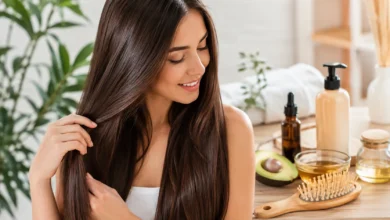
Hair hydration is one of the most important steps in any hair care routine. Whether your hair is dry, damaged, color-treated, or simply lacking shine, proper hydration can help restore moisture, improve texture, and make your hair look healthier.
In this guide, you’ll learn how to hydrate your hair at home, the benefits of regular hydration, and simple tips that can transform your hair care routine.
Why Hair Hydration Matters
Hair loses moisture every day due to various factors, including:
- Sun exposure
- Heat styling tools
- Hair coloring
- Pollution
- Chlorine
- Frequent washing
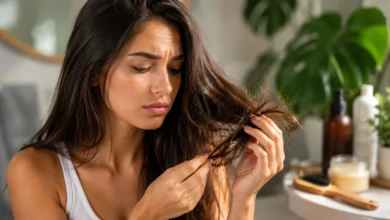
When hair becomes dehydrated, it may appear:
- Dull
- Frizzy
- Brittle
- Rough
- Difficult to manage
Hydration helps replenish lost moisture and improves the overall health of your hair.
Signs Your Hair Needs Hydration
Your hair may need extra hydration if you notice:
- Excessive frizz
- Dry ends
- Lack of shine
- Tangles easily
- Increased breakage
- Rough texture
The sooner you address dehydration, the easier it is to restore your hair’s natural beauty.
How to Hydrate Your Hair at Home
The good news is that effective hair hydration doesn’t have to be complicated.
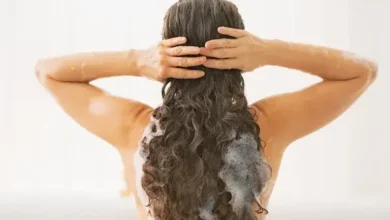
Step 1: Use a Moisturizing Shampoo
Start with a gentle, hydrating shampoo that cleanses without stripping natural oils.
Avoid products with harsh ingredients that can leave hair feeling even drier.
Step 2: Apply a Deep Conditioning Mask
A quality hair mask is one of the most effective ways to boost moisture levels.
Apply the mask from mid-length to ends, focusing on the areas that feel driest.
Leave it on for the recommended time before rinsing thoroughly.
Step 3: Use Warm Water, Not Hot Water
Hot water can remove natural oils and contribute to dryness.
Warm water helps open the hair cuticle for better absorption of conditioning treatments.
Finish with cool water if possible to help seal the cuticle and enhance shine.
Step 4: Avoid Overwashing
Washing your hair too frequently can strip away essential moisture.
Most people benefit from washing their hair two to four times per week, depending on hair type and lifestyle.
Best Ingredients for Hair Hydration
When choosing products, look for ingredients known for their moisturizing properties.
Aloe Vera
Helps hydrate and soothe the hair and scalp.
Coconut Oil
Provides deep nourishment and helps reduce protein loss.
Shea Butter
Excellent for dry and damaged hair.
Argan Oil
Adds shine and softness without weighing hair down.
Glycerin
Helps attract and retain moisture.
DIY Hair Hydration Treatments
If you enjoy natural beauty remedies, several ingredients can be used at home.
Coconut Oil Treatment
Apply a small amount of coconut oil to dry hair.
Leave it on for 30 minutes before washing.
Aloe Vera Mask
Mix fresh aloe vera gel with your favorite conditioner for an extra hydration boost.
Avocado Hair Mask
Avocado contains healthy fats that can help nourish dry hair.
Mash a ripe avocado and apply it as a hair mask for 20 to 30 minutes.
Protect Your Hair from Heat Damage
Heat styling tools can quickly remove moisture from your hair.
To minimize damage:
- Use a heat protectant
- Lower styling temperatures
- Limit daily heat styling
- Allow hair to air dry whenever possible
These habits help preserve hydration and prevent breakage.
Hydration Starts from Within
Beautiful hair isn’t only about external treatments.
Proper nutrition and hydration also play important roles.
Try to:
- Drink enough water daily
- Eat protein-rich foods
- Consume healthy fats
- Include fruits and vegetables in your diet
Healthy hair starts with a healthy body.
Common Hair Hydration Mistakes
Many people unknowingly make mistakes that contribute to dryness.
Using Too Much Heat
Excessive blow-drying and straightening can damage the hair cuticle.
Skipping Conditioner
Conditioner helps seal moisture into the hair shaft.
Using the Wrong Products
Products designed for oily hair may not provide enough hydration for dry hair.
Ignoring Hair Ends
The ends are often the driest part of the hair and need extra attention.
How Often Should You Hydrate Your Hair?
The ideal frequency depends on your hair type.
Dry Hair
1–2 times per week
Normal Hair
Every 1–2 weeks
Curly Hair
Weekly hydration is often beneficial
Chemically Treated Hair
Weekly deep conditioning is usually recommended
Consistency is more important than intensity.
Benefits of Regular Hair Hydration
Maintaining a hydration routine can provide:
- Softer hair
- Increased shine
- Less frizz
- Improved elasticity
- Reduced breakage
- Easier styling
Over time, hydrated hair simply looks healthier and more vibrant.
Salon Results at Home
You don’t need expensive treatments to maintain beautiful hair.
By choosing the right products, protecting your hair from damage, and following a consistent routine, it’s possible to achieve impressive results at home.
Small habits practiced regularly often make the biggest difference.
Conclusion
Learning how to hydrate your hair at home can significantly improve the appearance and health of your hair.
Simple steps like using moisturizing products, applying deep conditioning treatments, protecting your hair from heat, and maintaining a healthy lifestyle can help restore softness, shine, and manageability.
With consistency and proper care, salon-worthy hair is absolutely achievable from the comfort of your own home.
FAQ
What is the best way to hydrate hair at home?
Using a moisturizing shampoo, deep conditioning mask, and avoiding excessive heat are some of the most effective methods.
How often should I hydrate my hair?
Most people benefit from weekly hydration treatments, although frequency depends on hair type and condition.
Can natural ingredients hydrate hair?
Yes. Ingredients like coconut oil, aloe vera, and avocado can help improve moisture levels.
Does hydration help reduce frizz?
Yes. Properly hydrated hair is typically smoother and less prone to frizz.

Hello! My name is Alan Teixeira and I am passionate about helping people live healthier, more balanced lives. From mindful eating to daily habits that promote physical and mental well-being, I believe that small, consistent changes can lead to powerful transformations.
I created this blog to share practical tips, reliable information, and thoughtful insights that can inspire you to take better care of yourself—with balance, mindfulness, and positivity.
If you are looking to improve your health, nourish your body, and build a lighter, more fulfilling routine, you are in the right place. Welcome!