What Happens to Your Body When You Quit Sugar: A Complete Transformation Guide
In today’s modern diet, added sugars are practically everywhere, hiding in everything from pasta sauces to bread and even savory snacks. For many of us, sugar is the go-to source of quick energy, yet it often leaves us feeling sluggish, bloated, and trapped in a cycle of cravings. Deciding to break free from this sweetness dependency is one of the most impactful decisions you can make for your long-term health and vitality.
When you start to peel back the layers of a high-sugar diet, the physiological changes are almost immediate. It isn’t just about losing a few pounds or clearing up your skin; it is about resetting your metabolic engine and reclaiming control over your hunger hormones. Understanding what happens to your body when you quit sugar requires a look at how your brain, gut, and endocrine system respond to the removal of this inflammatory substance.
This guide explores the ripple effect of cutting refined sugar out of your life. From the initial withdrawal phase to the long-term benefits of sustained stability, we will walk you through the biological evolution your body undergoes. Whether you are looking to boost your cognitive function or simply want to feel more awake during the day, the benefits of going sugar-free are backed by both science and real-world results.
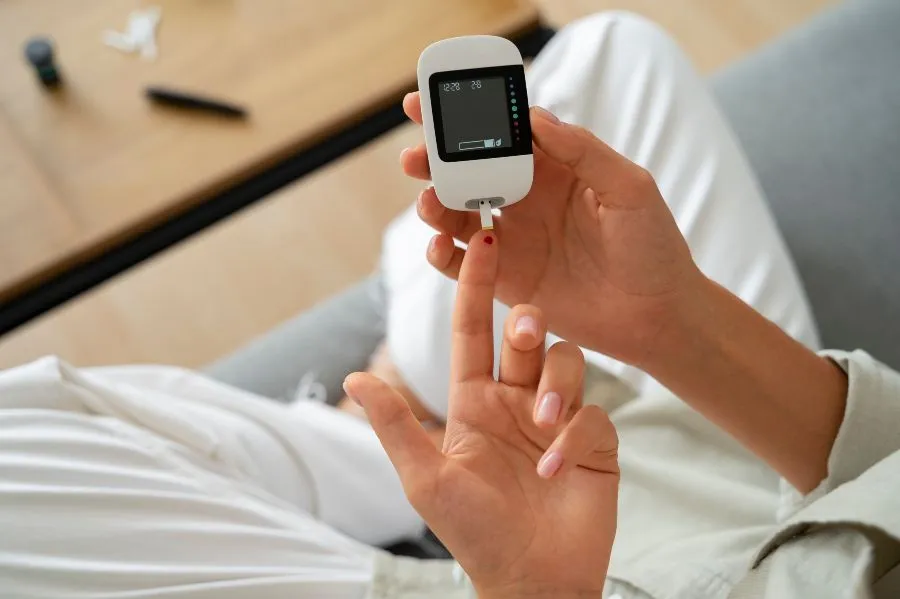
The Immediate Effects: The First 72 Hours
The first few days of cutting out sugar are often the most challenging. Because sugar triggers the release of dopamine in the brain—the same “feel-good” neurotransmitter associated with reward and pleasure—your brain literally goes through a detoxification period. Many people experience irritability, headaches, and intense cravings during this window as the body readjusts to lower blood glucose levels.
However, beneath the surface of these cravings, your insulin levels begin to stabilize. Instead of the roller-coaster spikes and crashes caused by high sugar intake, your blood glucose levels remain steady, which helps eliminate the “brain fog” that many people associate with their afternoon slump. By the third day, the physiological stress begins to subside, and your body starts utilizing its own stored energy more efficiently.
How Your Body Functions After Two Weeks
By the end of two weeks, the transformation becomes significantly more noticeable. One of the primary shifts is the reduction of systemic inflammation. According to research from the Harvard T.H. Chan School of Public Health, high intake of added sugar is linked to an increased risk of heart disease and chronic inflammation. When you stop feeding this fire, your joints may feel less stiff, and your skin often begins to clear up.
Key Physiological Benefits at the Two-Week Mark
- Reduced Bloating: Sugar encourages water retention and feeds “bad” bacteria in the gut. Without it, you will likely notice a flatter stomach.
- Improved Skin Clarity: High insulin levels caused by sugar can trigger sebum production; quitting leads to fewer breakouts.
- Steady Energy Levels: You will no longer rely on caffeine or afternoon snacks to survive the workday.
What Happens to Your Body When You Quit Sugar: Metabolic Shifts
As you enter the first month, your metabolism undergoes a significant recalibration. Your body is no longer constantly looking for the next glucose spike, which means it becomes better at tapping into fat stores for fuel. This metabolic flexibility is essential for healthy weight management.
💡 This will interest you: Lemon Rosemary Chicken with Roasted Broccolini: A Healthy and Flavorful Meal — click and see why it is one of the most-read posts on the blog.
When researching what happens to your body when you quit sugar, it is important to understand the role of insulin sensitivity. Chronic sugar consumption can lead to insulin resistance, where cells stop responding to the hormone, leading to weight gain and type 2 diabetes risk. By eliminating sugar, your cells regain their sensitivity, allowing your body to process nutrients more effectively and store less fat.
Comparing Sugar-Heavy vs. Sugar-Free States
| Feature | Sugar-Heavy Diet | Sugar-Free (Healthy) Diet |
|---|---|---|
| Energy | Spikes and crashes | Consistent, steady flow |
| Mood | Volatile, prone to anxiety | Balanced, stable |
| Skin | Acne-prone, dull | Clearer, more radiant |
| Appetite | Constant hunger/cravings | Controlled, satiated |
| Digestion | Frequent bloating/gas | Smooth and regular |
Beyond the Physical: Mental Clarity and Mood
The brain is the most energy-demanding organ in the body. When you learn what happens to your body when you quit sugar, you discover that sugar is not actually the “brain food” many people claim it is. While the brain uses glucose for fuel, it functions much more efficiently on steady blood sugar levels rather than the erratic swings caused by candy, soda, and processed treats.
Many people report a lifting of “brain fog” after eliminating added sugars. This is because sugar consumption can lead to neuroinflammation, which impairs cognitive function and memory. By cutting it out, you provide your brain with the stable environment it needs to perform at its peak. Furthermore, since sugar can trigger anxiety in some individuals through the adrenaline-cortisol-insulin connection, quitting can result in a more relaxed and resilient mental state.
Long-Term Benefits: Sustaining the Sugar-Free Lifestyle
When you look at what happens to your body when you quit sugar over a period of six months or more, you are looking at a complete health overhaul. Your cardiovascular health improves as triglyceride levels drop, and your liver health sees a major boost—especially if you were previously consuming high levels of high-fructose corn syrup, which is a major contributor to non-alcoholic fatty liver disease.
🌐 Authoritative source: for a complete overview of What Happens to Your Body When You Quit Sugar, check the reference material available on Wikipedia.
Ultimately, your taste buds will also reset. Foods that you once thought were bland, such as fresh vegetables, berries, or even plain Greek yogurt, will begin to taste naturally sweet. This change in perception makes it significantly easier to avoid processed foods, as they often start to taste sickly sweet or artificial once your palate has adjusted.
👉 Don’t miss this: SleepLean Review: Does It Really Work for Weight Loss While You Sleep? — this read can completely change the way you see this topic.
Tips for Success
Transitioning to a sugar-free lifestyle does not have to happen overnight. Many people find success by cutting out liquid sugars first, such as sodas and sweetened juices, before moving on to solid sweets. It is also crucial to read labels, as sugar hides under names like maltodextrin, cane juice, barley malt, and high-fructose corn syrup. When you focus on whole foods—protein, healthy fats, and fiber-rich vegetables—what happens to your body when you quit sugar becomes a positive reinforcement loop. You feel better, so you want to continue eating well.
It is worth noting that what happens to your body when you quit sugar is deeply personal. Some individuals thrive on a strict cold-turkey approach, while others find that moderation works better in the long run. The goal is to identify your triggers and replace them with nutrient-dense alternatives that keep you satisfied and energized.
FAQ
3.1 Will I lose weight if I stop eating sugar?
Yes, most people experience weight loss, particularly around the midsection, as insulin levels drop and the body begins burning fat for energy.
3.2 How long until the sugar cravings stop?
For most people, the physical cravings for sugar significantly decrease within 7 to 10 days, once the gut microbiome begins to shift.
3.3 Can I eat fruit if I am quitting sugar?
Yes, whole fruits are generally acceptable. They contain fiber, which slows the absorption of natural sugars, preventing the insulin spikes caused by processed sweets.
3.4 What is the best way to handle sugar cravings?
Drink a large glass of water, eat a high-protein snack, or engage in light exercise to distract your brain and stabilize your blood sugar.
📌 Essential reading: before you go on, check out Pilates for Beginners: 4 Simple Home Exercises to Boost Strength and Well-Being and discover what almost nobody tells you.
3.5 Does quitting sugar make you tired?
You may feel tired during the first 48–72 hours as your body adjusts, but after that, most people report a significant increase in sustained energy levels.
Conclusion
Understanding what happens to your body when you quit sugar is the first step toward a healthier, more vibrant version of yourself. While the initial few days may feel like a challenge, the reward—clearer skin, stable energy, improved mental focus, and a healthier heart—is well worth the effort. By moving away from the cycle of addiction and toward a lifestyle built on whole, unprocessed foods, you are investing in your long-term health and wellness. Start small, be patient with your body during the adjustment phase, and enjoy the newfound clarity and vitality that come with a life free from the constraints of added sugar.

Hello! My name is Alan Teixeira and I am passionate about helping people live healthier, more balanced lives. From mindful eating to daily habits that promote physical and mental well-being, I believe that small, consistent changes can lead to powerful transformations.
I created this blog to share practical tips, reliable information, and thoughtful insights that can inspire you to take better care of yourself—with balance, mindfulness, and positivity.
If you are looking to improve your health, nourish your body, and build a lighter, more fulfilling routine, you are in the right place. Welcome!