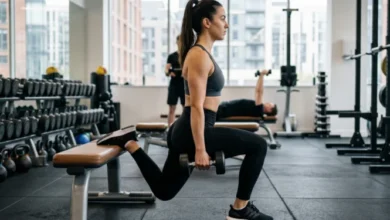
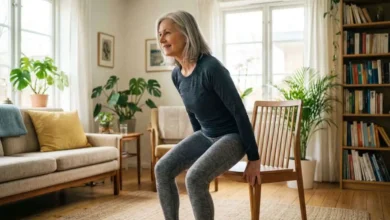
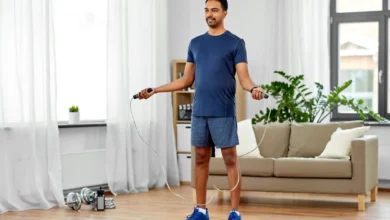
The modern lifestyle often leads to physical discomfort and poor posture due to long hours spent sitting at desks. Many people are now discovering that practicing Pilates at home offers a flexible and effective solution to these common health issues. You do not need expensive machines or a studio membership to begin your journey toward a stronger and more balanced body.
Mastering the fundamentals of Pilates at home allows you to focus on core stability and muscular endurance at your own pace. This practice emphasizes controlled movements that align the spine and strengthen the deep abdominal muscles. Anyone can start this transformative routine with just a simple mat and a commitment to consistent, mindful movement.
Finding the time to visit a gym can be challenging in a busy schedule, making Pilates at home the ultimate convenience. By dedicating just twenty minutes a day to these exercises, you can significantly reduce back pain and increase overall flexibility. This article explores the best techniques to ensure your domestic practice is both safe and highly rewarding.
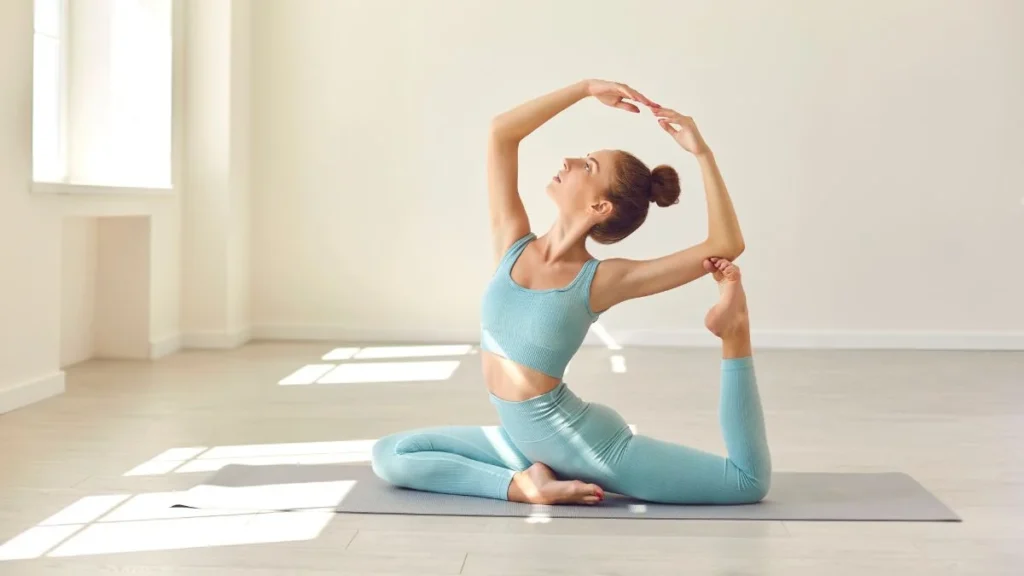
Why Practicing Pilates at Home Is Revolutionizing Fitness
The shift toward domestic fitness has proven that you don’t need a reformer machine to see professional results. Practicing Pilates at home removes the barriers of travel time and membership fees, making wellness accessible to everyone. By using your own body weight as resistance, you develop a lean, functional physique that supports daily activities.
Beyond the physical benefits, Pilates at home provides a mental sanctuary where you can synchronize breath with movement. This mind-body connection is essential for stress reduction and improving mental clarity. When you control your environment, you can foster a focused atmosphere that is often missing in crowded commercial gyms.
Essential Principles for Mastering Pilates at Home
To get the most out of your sessions, you must understand the core pillars of the Joseph Pilates method. Concentration is the first step; you must be fully present in every movement to engage the correct muscle groups. Without focus, Pilates at home becomes mere stretching rather than a transformative strength workout.
Centering is another vital component, often referred to as “the powerhouse.” Every exercise should radiate from the core, providing stability for the limbs to move freely. Precision and flow ensure that transitions are smooth and that every repetition serves a specific purpose in your physical development.
Top 5 Exercises to Perfect Pilates at Home for Posture
1. The Pelvic Tilt
This is the foundational movement for spinal health. Lie on your back with knees bent and feet flat on the floor. As you practice Pilates at home, focus on exhaling as you tilt your pelvis toward your ribs, flattening your lower back against the mat to engage the lower abdominals.
2. The Bird-Dog
This exercise is excellent for balance and back strength. Start on all fours and extend the opposite arm and leg simultaneously while keeping your hips level. Maintaining stability during Pilates at home requires intense core engagement to prevent your torso from swaying.
3. Chest Lift with Rotation
To target the obliques and improve spinal mobility, perform a controlled chest lift. Place your hands behind your head and rotate your ribcane toward one hip as you lift. This move is a staple of Pilates at home routines designed to slim the waistline and support the ribcage.
4. The Swan
Counteract the “computer hunch” by incorporating back extensions. Lie on your stomach with hands under your shoulders and gently lift your chest while keeping your gaze toward the floor. It is one of the most effective ways to strengthen the posterior chain while doing Pilates at home.
5. Leg Circles
Improve hip mobility and pelvic stability with single-leg circles. While lying on your back, extend one leg toward the ceiling and draw small, controlled circles in the air. This requires your core to work hard to keep your pelvis completely still on the mat.
Designing Your Productive Space for Pilates at Home
Creating a dedicated area is key to maintaining a consistent routine. You don’t need a large room; a space wide enough to accommodate a yoga mat is sufficient for Pilates at home. Ensure the surface is firm enough to support your spine but cushioned enough to prevent discomfort during rolling exercises.
Lighting and temperature also play a role in your performance. Natural light can boost your energy levels, while a cool room helps you maintain focus during more intense sequences. Keeping small props like a foam roller or a resistance band nearby can also add variety to your Pilates at home sessions.
Common Mistakes to Avoid When Training Solo
One of the biggest risks of practicing Pilates at home is rushing through the movements. Speed often leads to using momentum rather than muscle, which minimizes the effectiveness of the workout. Always prioritize the quality of the movement over the number of repetitions you perform.
Holding your breath is another frequent error among beginners. Proper lateral breathing—expanding the ribcage without tension in the neck—is essential for oxygenating the blood and stabilizing the core. If you find yourself gasping, slow down and reconnect with the foundational breathwork of Pilates at home.

Hello! My name is Alan Teixeira and I am passionate about helping people live healthier, more balanced lives. From mindful eating to daily habits that promote physical and mental well-being, I believe that small, consistent changes can lead to powerful transformations.
I created this blog to share practical tips, reliable information, and thoughtful insights that can inspire you to take better care of yourself—with balance, mindfulness, and positivity.
If you are looking to improve your health, nourish your body, and build a lighter, more fulfilling routine, you are in the right place. Welcome!