Transforming Your Living Space Into a Personal Fitness Sanctuary
Physical activities at home
Modern life often leaves little room for lengthy commutes to a crowded gym or expensive fitness centers.
Learning how to integrate Physical activities at home ensures you stay consistent with your long-term health goals.
You can achieve professional-level results by simply utilizing your available space and a few basic tools.
The versatility of performing Physical activities at home allows you to customize every workout to your specific needs.
Whether you have a dedicated room or just a small corner, consistency remains the most important factor for success.
Staying active within your own four walls eliminates the common excuses that often derail a fitness journey.
Starting a routine of Physical activities at home requires a strategic approach to avoid injury and maximize efficiency.
Many people find that they actually work harder when they are in a comfortable and private environment.
This article explores the best methods to elevate your heart rate and build muscle without leaving your house.
Why Physical activities at home Outperform Gym Memberships
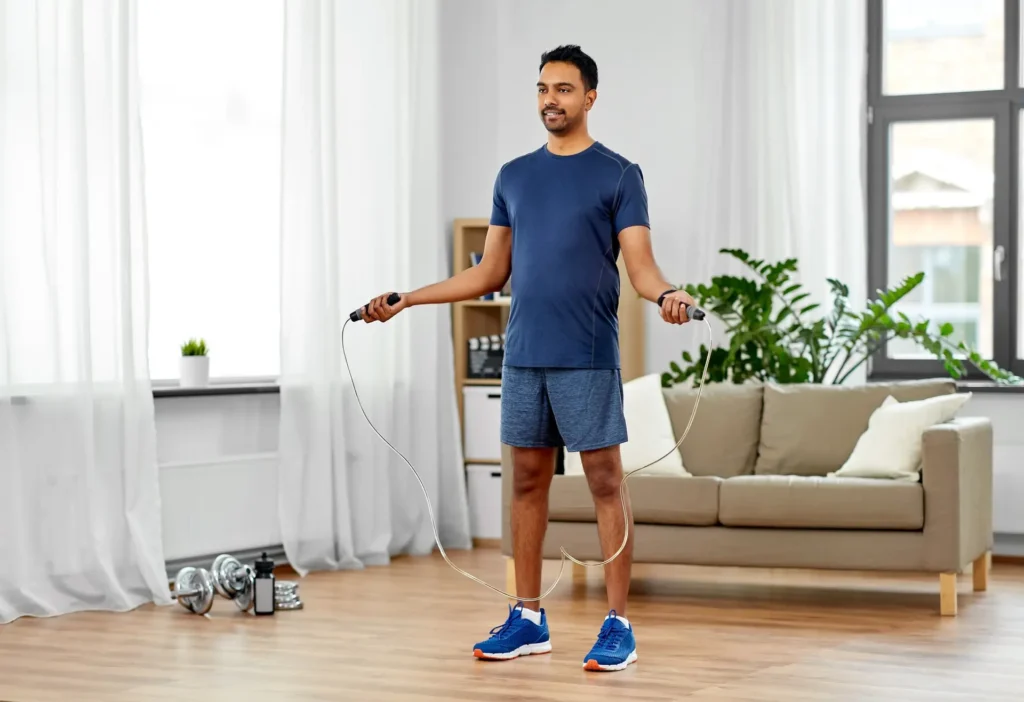
The shift toward domestic fitness is not just a trend; it is a practical response to the demands of a busy schedule. When you choose to perform Physical activities at home, you reclaim the time usually spent packing a bag, driving, and waiting for machines. This efficiency means a 30-minute workout actually takes 30 minutes, allowing for better work-life balance.
Furthermore, the privacy of your own home provides a psychological advantage for beginners. You can master new movements, practice form in front of a mirror, and breathe heavily without feeling self-conscious. This comfort often leads to higher intensity and more frequent sessions compared to a public setting.
Essential Equipment for Effective Physical activities at home
While bodyweight exercises are incredibly effective, incorporating a few key items can accelerate your progress. You do not need a floor full of heavy machinery to see significant changes in your physique.
Resistance Tools
Resistance bands are perhaps the most versatile tools for Physical activities at home. They are inexpensive, take up zero space, and can replicate almost any cable machine exercise found in a commercial gym. From bicep curls to lateral raises, they provide constant tension that is excellent for muscle hypertrophy.
Stability and Floor Work
A high-quality yoga mat is non-negotiable for floor-based movements. It provides the necessary cushioning for your joints during planks, sit-ups, or stretches. Additionally, a stability ball can be used as a bench replacement for chest presses or to increase core engagement during leg lifts.
High-Intensity Interval Training (HIIT) Without Equipment
One of the most efficient ways to burn calories is through HIIT. This method involves short bursts of maximum effort followed by brief recovery periods. You can easily perform these Physical activities at home using only your body weight.
- Mountain Climbers: Target your core and cardiovascular system simultaneously.
- Burpees: The full-body movement that builds explosive power and endurance.
- Jumping Lunges: A high-impact way to develop lower body strength and balance.
- High Knees: An excellent way to skyrocket your heart rate in under sixty seconds.
Creating a Sustainable Routine for Physical activities at home
Success in fitness is built on the foundation of habit rather than fleeting motivation. To maintain a routine of Physical activities at home, you must treat your workout time as a non-negotiable appointment with yourself.
Setting a Fixed Schedule
Identify the time of day when your energy levels are highest. For some, a morning session jumpstarts metabolism, while others prefer an evening workout to decompress from work stress. Once you choose a time, stick to it for at least 21 days to solidify the behavior.
Tracking Your Progress
Since you don’t have a coach watching you, self-monitoring becomes vital. Keep a digital log or a physical notebook of your repetitions, sets, and rest times. Seeing your numbers improve week over week is the most powerful motivator to keep going.
Safety Protocols and Injury Prevention
Just because you are in a familiar environment doesn’t mean you should ignore safety. Ensuring your space is clear of obstacles is the first step in preventing domestic accidents.
- Warm-up: Always spend 5-10 minutes doing dynamic stretches to prepare your muscles.
- Form Over Speed: Never sacrifice the quality of a movement for the sake of extra repetitions.
- Cool Down: End every session with static stretching to improve flexibility and reduce soreness.
- Hydration: Keep a water bottle nearby; it is easy to forget to drink enough when you aren’t in a “gym” setting.
Maximizing Small Spaces for Strength and Flexibility
You don’t need a mansion to engage in Physical activities at home. Even a studio apartment can become a functional training zone. Utilize vertical space by using door-frame pull-up bars or wall-mounted resistance anchors.
Isometric exercises, such as wall sits and planks, require almost no movement but provide intense muscle engagement. These are perfect for those living in apartments where jumping might disturb neighbors. By focusing on tension and control, you can build a strong, lean body in the smallest of quarters.

Hello! My name is Alan Teixeira and I am passionate about helping people live healthier, more balanced lives. From mindful eating to daily habits that promote physical and mental well-being, I believe that small, consistent changes can lead to powerful transformations.
I created this blog to share practical tips, reliable information, and thoughtful insights that can inspire you to take better care of yourself—with balance, mindfulness, and positivity.
If you are looking to improve your health, nourish your body, and build a lighter, more fulfilling routine, you are in the right place. Welcome!