Why You Eat Little, Exercise and Still Don’t Lose Weight
eat little exercise and still don’t lose weight
Many people face a frustrating situation where they eat less, exercise regularly and still see no changes on the scale. Understanding why this happens is essential to achieving real and lasting results. The issue is that eat little, exercise and still don’t lose weight is not only about calories. Weight loss depends on a complex interaction between metabolism, hormones, behavior and lifestyle.
Often, people believe they are eating very little, but unknowingly consume more calories than they realize. Small snacks, sugary drinks and portion size errors can easily interfere with the calorie deficit needed for fat loss. At the same time, excessive restriction can cause the body to adapt by reducing energy expenditure.
In addition, focusing only on eating less and moving more ignores important factors such as sleep quality, stress levels, muscle mass and food quality. When these elements are not properly managed, weight loss becomes much harder, even with discipline and effort.
Why Eating Less Does Not Always Lead to Weight Loss
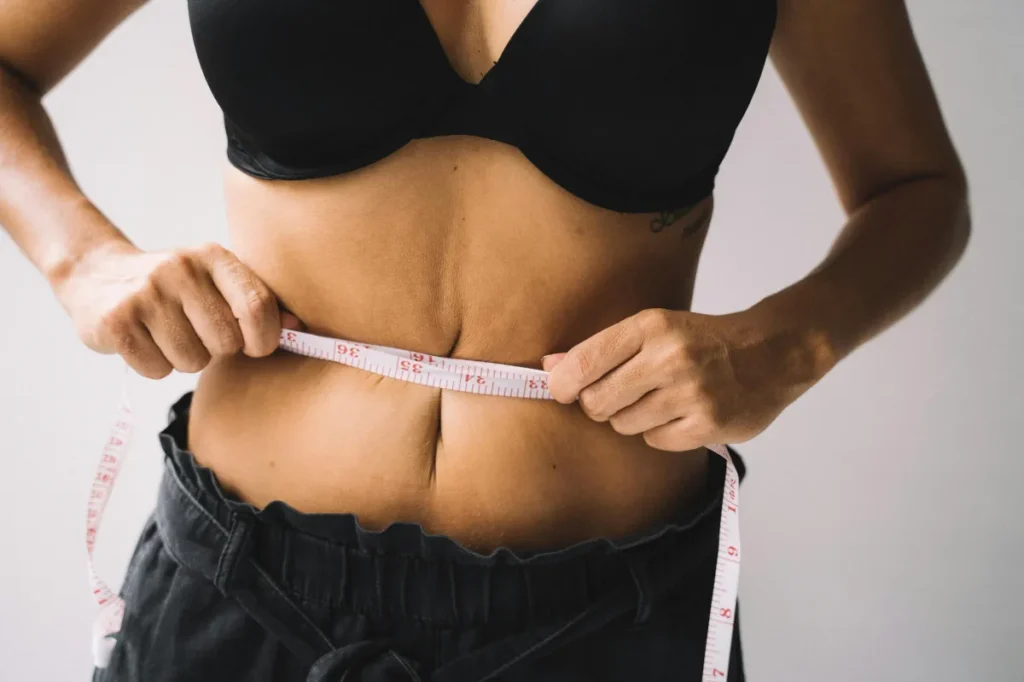
Eating fewer calories does not automatically guarantee fat loss. One common mistake is underestimating food intake and overestimating calories burned during exercise. Even healthy foods can contribute to excess calories if portions are not controlled.
Another major factor is metabolic adaptation. When the body is exposed to very low calorie intake for a long time, it slows down metabolism as a survival mechanism. This means fewer calories are burned at rest, making weight loss slower and more difficult.
Extreme restriction can also lead to fatigue, irritability and stronger cravings, increasing the risk of overeating later and creating a cycle of restriction and compensation.
The Role of Food Quality in Weight Loss
Weight loss is not just about how much you eat, but also what you eat. Diets low in protein and fiber tend to increase hunger and reduce satiety, making it harder to maintain consistency.
Protein plays a crucial role in preserving muscle mass and keeping metabolism active. Without enough protein, the body may lose muscle instead of fat, which further reduces calorie expenditure.
Highly processed foods, even in small quantities, can disrupt hunger hormones and increase appetite, making weight control more challenging despite a reduced calorie intake.
How Sleep, Stress and Hormones Affect Your Results
Sleep and stress have a direct impact on body weight. Poor sleep increases hunger hormones and reduces satiety signals, leading to stronger cravings and overeating.
Chronic stress elevates cortisol levels, a hormone associated with fat storage, especially in the abdominal area. High cortisol also makes it harder for the body to use stored fat as energy.
Hormonal changes related to insulin resistance, thyroid function, menopause or certain medications can also interfere with weight loss, even when diet and exercise are present.
Behavioral Habits That Sabotage Weight Loss
Mindless eating is one of the biggest obstacles to fat loss. Eating while distracted, rushing meals or using food as an emotional escape can lead to excess calorie intake without awareness.
Irregular meal patterns and skipping meals may also backfire, increasing hunger later in the day and promoting overeating at night.
Developing mindful eating habits, planning meals and paying attention to hunger and fullness cues helps regain control and supports consistent progress.
Practical Strategies to Break the Plateau
To overcome the situation where you eat little and exercise but don’t lose weight, consider these strategies:
Prioritize protein in every meal to support muscle mass and satiety
Choose whole, fiber rich foods to improve digestion and appetite control
Maintain regular sleep routines to regulate hunger hormones
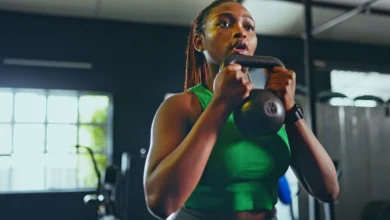
Combine strength training with other forms of exercise
Manage stress through relaxation techniques and recovery
Avoid extreme calorie restriction and aim for a sustainable approach
These adjustments help create a healthier internal environment for fat loss rather than forcing results through restriction alone.
Conclusion
When you eat little, exercise and still don’t lose weight, the problem is rarely a lack of effort. More often, it is the result of metabolic adaptation, poor sleep, stress, hormonal imbalance or low food quality.
Sustainable weight loss requires balance, consistency and a broader understanding of how the body works. Eating better, not just less, and supporting recovery are key elements of long term success.
By addressing lifestyle, nutrition and behavior together, it becomes possible to move past plateaus and achieve healthier, more lasting results.

Hello! My name is Alan Teixeira and I am passionate about helping people live healthier, more balanced lives. From mindful eating to daily habits that promote physical and mental well-being, I believe that small, consistent changes can lead to powerful transformations.
I created this blog to share practical tips, reliable information, and thoughtful insights that can inspire you to take better care of yourself—with balance, mindfulness, and positivity.
If you are looking to improve your health, nourish your body, and build a lighter, more fulfilling routine, you are in the right place. Welcome!