Increasing muscle mass is not only a matter of training. A structured food approach changes performance, energy stability, muscle recovery, and the body’s visible shape. When the right nutrients reach the body at the correct frequency, muscles remain in an anabolic state, which makes growth faster and more solid.
People often try to increase muscle mass relying only on resistance training, but muscle formation depends on what is consumed every day and how often nutrients are delivered. Muscle fibers need protein, glucose for energy, electrolytes, and micronutrients to repair themselves and increase thickness. When diet supports training, results appear consistently and without stagnation.
Muscle growth becomes significantly easier when each meal contributes specific building material. Instead of eating randomly, focusing on protein density, energy balance, and nutrient timing makes the body respond better to training stimulus. Those who apply strategic eating habits can gain lean mass while reducing fat percentage. The smartest approach is combining resistance training, high quality calories, hydration, and recovery, because this keeps muscle mass development active during all hours of the day.

Meals That Should Be Consumed Daily for Muscle Gain
To accelerate muscle development, meals must deliver quality calories and protein. One recommended strategy is dividing nutrition into smaller portions throughout the day, always including protein sources. Smart combinations increase amino acid absorption and stimulate protein synthesis.
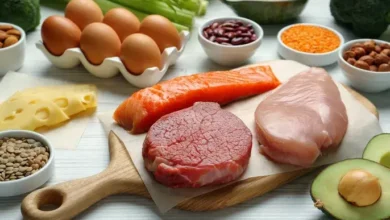
Good protein sources include eggs, lean beef, chicken breast, tuna, sardines, beans, lentils, tofu, Greek yogurt, cottage cheese, and whey protein. Carbohydrates must not be eliminated because they provide immediate fuel for training sessions. Oats, sweet potato, rice, quinoa, bananas, and whole fruit smoothies help maintain stable energy and prevent loss of lean tissue. Healthy fats are also necessary because they regulate hormones linked to muscle growth. Examples include olive oil, avocado, nuts, seeds, and natural peanut butter.
Snacks between meals can include Greek yogurt with fruit, boiled eggs, tuna paste with whole bread, peanut butter with banana slices, whey shake with oats, or cottage cheese with nuts. This pattern increases daily protein delivery without eating excessively large meals at once. Consistency with portion control ensures nutrient availability for hours.
READ ALSO:
- Kale, Orange, Sweet Potato & Ginger Juice: A Nutritious and Energizing Blend
- Pure and Natural Energy: 3 Homemade Smoothies to Drink Before Strength Training
Follow our PAGE
Supplementation That Strengthens Recovery
Supplements support daily intake when eating enough protein and calories becomes difficult. Whey protein is frequently used because it increases overall protein quantity without heavy preparation. Creatine helps increase strength capacity, intensity, and number of repetitions during sets. When training volume rises, stimulus becomes stronger and muscle size growth follows naturally.
Multivitamin formulas, magnesium, and electrolytes assist muscle contraction, reduce cramps, and support the nervous system during training. Liquid carbohydrates may help individuals who train intensely but need fast digestion before exercise. Supplementation works best when combined with real food and proper hydration.
How Eating Times Affect Muscle Growth
Meals should be distributed strategically. Breakfast can include eggs or yogurt with fruit and oats to ensure early protein intake. Lunch and dinner must contain animal or plant protein paired with complex carbohydrates. After training, a protein-rich snack enhances muscle repair. When long gaps occur between meals, protein breakdown increases. Keeping a stable delivery pattern supports continuous growth.
People who try to train while fasting often lose performance because glycogen remains low. Ideal timing improves strength and muscular response. When protein reaches muscle tissue soon after training, cellular repair becomes faster and more noticeable.
Hydration, Sleep Quality, and Muscle Response
Water intake influences muscle function, blood transport, and cellular hydration. Training while dehydrated increases fatigue and reduces contraction quality. Drinking water throughout the day helps nutrients reach muscle fibers efficiently. Sleep plays a large role because during deep phases the body releases growth-promoting hormones. Individuals who sleep poorly tend to lose lean mass more easily and recover slowly.
Supporting the digestive system is another essential factor. When digestion works poorly, nutrient absorption decreases. Consuming fiber, vegetable diversity, fresh fruit, and probiotics improves gut function, leading to stronger nutritional use and better progression.
Conclusion
Gaining lean mass depends on consistent eating, not random food choices. The body needs protein every day, reliable energy sources, and micronutrients that support cellular repair. When meals include lean protein, good carbohydrates, and healthy fats, muscle development accelerates. Supplements help complete nutritional requirements when necessary, but real food remains the main foundation. With structured eating frequency, hydration, rest, and well-performed resistance training, muscle mass increases steadily and visibly. This combination creates a long lasting physical transformation that improves strength, posture, metabolism, and overall health.

Hello! My name is Alan Teixeira and I am passionate about helping people live healthier, more balanced lives. From mindful eating to daily habits that promote physical and mental well-being, I believe that small, consistent changes can lead to powerful transformations.
I created this blog to share practical tips, reliable information, and thoughtful insights that can inspire you to take better care of yourself—with balance, mindfulness, and positivity.
If you are looking to improve your health, nourish your body, and build a lighter, more fulfilling routine, you are in the right place. Welcome!