Foods to Sleep Better: 10 Light Options to Eat at Night
foods to sleep better
Getting quality sleep is essential for both physical and mental health, and nutrition plays a direct role in this process. Choosing foods to sleep better can help the body relax, balance sleep related hormones, and make it easier to fall asleep naturally without relying on artificial solutions.
At night, the body slows down its metabolic activity and prepares for rest. Heavy meals or foods high in sugar and unhealthy fats can interfere with this natural rhythm, leading to discomfort, indigestion, and frequent awakenings. Light and well chosen foods, on the other hand, support deeper and more continuous sleep.
The good news is that improving nighttime eating habits does not require drastic changes. Simple, accessible foods can be included in your evening routine and, when combined with healthy sleep habits, can significantly improve sleep quality and next day energy levels.
Why nutrition has a strong impact on sleep quality
Sleep is regulated by hormones such as melatonin and serotonin, which are influenced by the nutrients consumed throughout the day. Certain foods provide amino acids, vitamins, and minerals that help the body produce these substances responsible for relaxation and sleep regulation.
When evening meals are rich in stimulants like caffeine or high amounts of sugar, the nervous system remains alert for longer. This delays sleep onset and reduces sleep depth. Light meals help minimize digestive activity and allow the body to focus on recovery and rest.
Balanced nighttime nutrition also helps prevent blood sugar fluctuations. Sudden drops in glucose during the night can cause awakenings and restless sleep. Eating wisely before bedtime supports a more stable and uninterrupted rest cycle.
10 light foods that help you sleep better
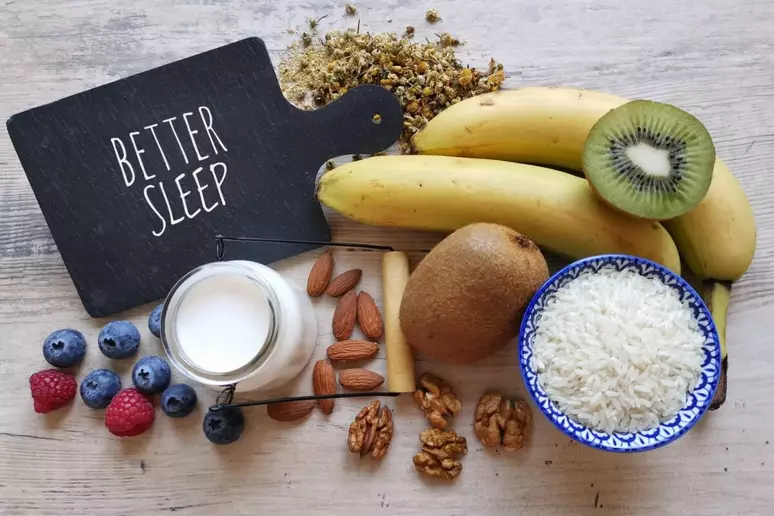
Bananas are an excellent evening choice because they contain magnesium and tryptophan, which help relax muscles and support serotonin production. They can be eaten alone or paired with oats.
Oats provide complex carbohydrates that promote a gradual release of energy. This helps avoid nighttime hunger and supports the natural production of sleep hormones.
Natural yogurt is a good source of calcium, a mineral involved in melatonin release. Unsweetened versions are best to prevent unnecessary stimulation before sleep.
Warm milk is a traditional bedtime option for good reason. It contains tryptophan and promotes a comforting sensation that helps prepare the body for rest.
Nuts such as almonds and cashews, when eaten in small portions, provide magnesium and healthy fats that calm the nervous system. Moderation is important to avoid excess calories.
Apples are light, easy to digest, and rich in fiber. They help control hunger without overloading the digestive system at night.
Chamomile tea deserves special mention. Although it is not a solid food, it has calming properties that reduce anxiety and promote relaxation before bedtime.
Cooked sweet potatoes in small portions provide steady energy and support serotonin production without causing heaviness or digestive discomfort.
Brown rice, when consumed moderately, helps increase tryptophan availability in the brain, contributing to relaxation and better sleep quality.
Passion fruit, either fresh or as a natural juice without added sugar, is known for its calming effects and can help reduce mental agitation in the evening.
Foods and habits to avoid before bedtime
Certain foods should be avoided at night to protect sleep quality. Coffee, black tea, soda, and chocolate contain caffeine, which stimulates the nervous system and delays sleep.
Fried foods and meals high in saturated fat require more digestive effort and can cause reflux or discomfort when lying down. This directly affects sleep continuity.
Sugary desserts and processed snacks can cause blood sugar spikes followed by sudden drops, increasing the likelihood of nighttime awakenings and poor sleep quality.
Large meals eaten too close to bedtime may also disrupt sleep. Giving the body time to digest before lying down is essential for restful nights.
How to build a balanced nighttime snack
Ideally, the last meal or snack should be consumed about two hours before bedtime. Simple combinations such as fruit with oats, yogurt, or a small portion of complex carbohydrates work well.
Portion size matters as much as food choice. Even healthy foods can interfere with sleep if consumed in excess. The goal is to nourish and calm the body, not replace a full meal.
Maintaining a consistent eating schedule helps regulate the internal clock. Over time, this routine signals the body when it is time to slow down and prepare for rest.
Conclusion
Choosing the right foods at night is a simple and effective way to improve sleep quality. By including foods to sleep better in your evening routine, you support the natural processes that help the body relax and recover.
Small nutritional adjustments can lead to noticeable improvements, such as fewer nighttime awakenings, deeper sleep, and better energy levels the next day. Balance and moderation are key factors in achieving these benefits.
When combined with healthy habits such as regular sleep schedules, a calm environment, and professional guidance when needed, mindful nighttime eating becomes a powerful tool for long term sleep health.

Hello! My name is Alan Teixeira and I am passionate about helping people live healthier, more balanced lives. From mindful eating to daily habits that promote physical and mental well-being, I believe that small, consistent changes can lead to powerful transformations.
I created this blog to share practical tips, reliable information, and thoughtful insights that can inspire you to take better care of yourself—with balance, mindfulness, and positivity.
If you are looking to improve your health, nourish your body, and build a lighter, more fulfilling routine, you are in the right place. Welcome!