Glute exercises at home are an excellent solution for anyone who wants to strengthen, tone, and shape the glutes without going to the gym or using machines. With simple bodyweight movements performed correctly, it is possible to activate the right muscles and achieve consistent results over time.
In addition to convenience, training your glutes at home helps improve posture, support the lower back, and increase hip stability. These benefits directly affect daily life, making activities such as walking, climbing stairs, and running easier and safer.
The key to success is consistency, proper technique, and controlled movement. Even without weights, your own body weight can provide enough stimulus when exercises are done with focus and good muscle engagement.
Why training glutes without equipment really works
The glute muscles are large and powerful, responsible for hip extension, pelvic stability, and trunk support. When activated correctly, bodyweight exercises can stimulate these muscles effectively without the need for external resistance.
Functional movements such as squats, lunges, and hip bridges replicate natural patterns of motion used in everyday life. This makes home glute workouts not only aesthetic but also functional, improving strength, balance, and mobility.
Another advantage is accessibility. Without equipment, workouts can be done anywhere, eliminating excuses and making it easier to stay consistent. Regular training is the most important factor for muscle development and long term results.
READ ALSO:
Follow our PAGE
5 glute exercises you can do at home
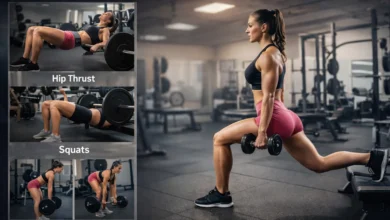
The squat is one of the most complete exercises for the glutes. Stand with your feet shoulder width apart and lower your hips as if sitting in a chair. Keep your core tight and chest lifted. As you stand up, squeeze your glutes at the top of the movement.
The glute bridge directly targets the glute muscles. Lie on your back with your knees bent and feet flat on the floor. Lift your hips until your shoulders, hips, and knees form a straight line. Hold briefly at the top while contracting the glutes, then lower slowly.
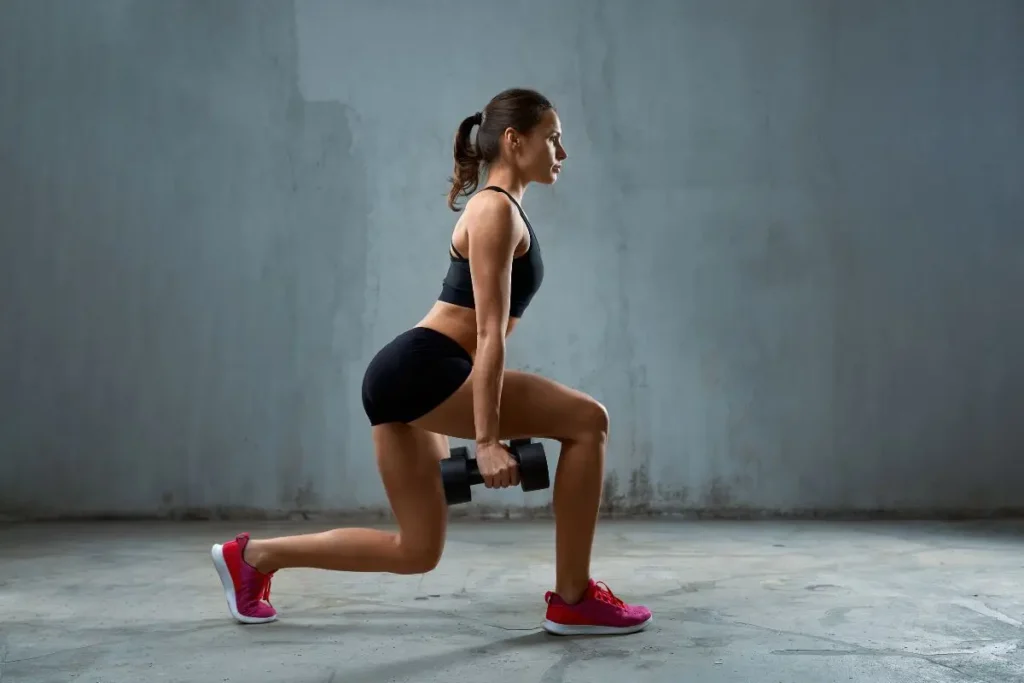
The alternating lunge works both the glutes and legs. Step forward with one leg, bend both knees, and lower your body while keeping your torso upright. Push through the front heel to return to the starting position and switch legs.
The quadruped leg raise, also known as the donkey kick, is simple and very effective. With hands and knees on the floor, lift one leg backward while keeping the knee bent. Focus on controlled movement and glute contraction rather than speed.
The single leg squat increases intensity without adding weight. Stand on one leg while the other stays slightly behind. Lower yourself slowly, keeping balance and control, then return to the starting position. This movement challenges strength, balance, and coordination.
How to build an effective home glute routine
For noticeable results, glute workouts should be done two to three times per week, allowing enough recovery time between sessions. Each exercise can be performed for three sets of 12 to 20 repetitions depending on your fitness level.
Tempo is crucial. Slowing down the lowering phase and squeezing the glutes during the lifting phase increases time under tension, which helps stimulate muscle growth even without weights.
Warming up is also essential. Before starting your workout, perform light movements such as hip mobility drills, gentle squats, or glute activation exercises to prepare your muscles and reduce injury risk.
Important precautions and professional guidance
Although these exercises are simple, proper form is critical. Poor technique can place unnecessary stress on the knees and lower back, reducing effectiveness and increasing the risk of discomfort or injury.
Whenever possible, seek guidance from a qualified fitness professional, especially if you have joint pain, previous injuries, or are returning to exercise after a long break. Professional supervision helps ensure correct execution and personalized progression.
Listening to your body is essential. Mild muscle soreness is normal, but sharp pain or persistent discomfort is a sign to stop and reassess your technique or training volume.
Conclusion
Training your glutes at home is practical, effective, and accessible. With the right glute exercises at home, proper execution, and consistency, you can build strength, firmness, and better muscle definition without equipment.
Simple movements performed with control and intention can deliver impressive results over time. Beyond appearance, strong glutes support posture, protect the lower back, and improve overall movement quality.
By following a balanced routine, prioritizing technique, and seeking professional guidance when needed, you can safely and effectively achieve your glute training goals from the comfort of your home.

Hello! My name is Alan Teixeira and I am passionate about helping people live healthier, more balanced lives. From mindful eating to daily habits that promote physical and mental well-being, I believe that small, consistent changes can lead to powerful transformations.
I created this blog to share practical tips, reliable information, and thoughtful insights that can inspire you to take better care of yourself—with balance, mindfulness, and positivity.
If you are looking to improve your health, nourish your body, and build a lighter, more fulfilling routine, you are in the right place. Welcome!