Squat Exercise: The Complete Movement for Strength, Balance and Health
exercises for strength balance and health
Squatting is widely recognized as one of the most effective exercises for strength, balance and health that can be performed without specialized equipment. Whether you are training at home, at the gym or as part of a sports routine, the squat engages multiple muscle groups at once, making it a key movement for overall fitness.
The benefits of the squat go beyond just building muscle. By working the lower body, core and stabilizing muscles, this exercise helps improve functional movement, reduce risk of injury, and support everyday activities such as walking, climbing stairs and lifting objects with proper posture.
Understanding how to perform squats correctly and safely is essential to get the most out of the exercise. Proper form reduces strain on joints, activates the right muscles and contributes to better results over time.
Why the Squat Is Considered a Complete Exercise
The squat is often referred to as a compound movement because it involves multiple joints and muscle groups working together. The quadriceps, hamstrings, glutes and core are all activated during the descent and rise phases, providing a comprehensive workout in a single movement.
In addition to strength benefits, squats also contribute to improved balance and coordination. As you lower your body and stand back up, your nervous system coordinates multiple muscles at once, which translates into better movement efficiency in daily tasks.
Moreover, squats encourage mobility in the hips, knees and ankles. This increased range of motion can help reduce stiffness and improve posture, which is particularly important for people who spend long hours sitting.
How to Perform a Proper Squat
Begin by standing with your feet about hip-width apart and toes slightly pointed outward. Keep your chest up, shoulders relaxed and gaze forward. Engage your core before initiating the movement.
Begin the squat by pushing your hips back and bending your knees, lowering your body as if you were sitting back into a chair. Your knees should track in line with your toes, and your weight should be distributed evenly throughout your feet.
Lower yourself until your thighs are parallel to the ground or as comfortable as your mobility allows. Avoid letting your lower back round or your knees cave inward. To rise, press through your heels, extend your hips and knees, and return to the starting position with control.
It is important to maintain steady breathing throughout the movement. Inhale on the way down and exhale as you push back up. This supports core stability and oxygen flow during the exercise.
Variations to Challenge Your Body
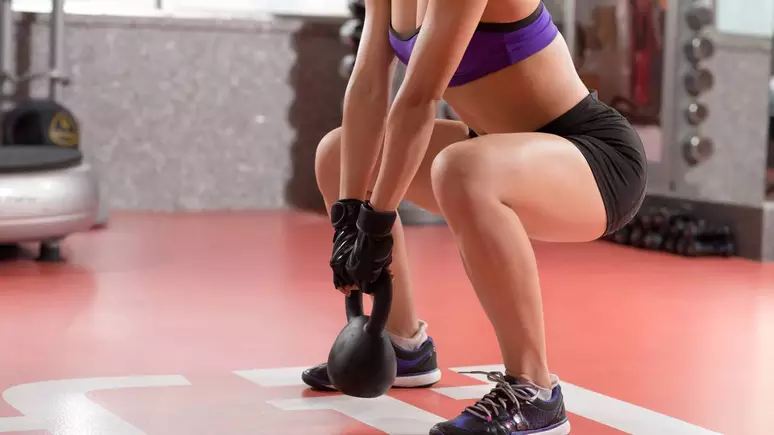
Once you have mastered the basic bodyweight squat, there are several variations you can incorporate to further develop strength and complexity. Goblet squats, for example, involve holding a weight close to the chest while squatting, which adds resistance and engages the upper body.
Split squats and Bulgarian squats increase the challenge by focusing on one leg at a time, which helps correct imbalances and improves balance. Box squats, where you squat down to sit briefly on a box or bench before rising, are useful for learning depth control.
Wall squats or air squats against a wall can help beginners focus on form and alignment before progressing to more advanced variations. Each variation offers unique benefits that contribute to a well-rounded training routine.
Common Mistakes and How to Avoid Them
One of the most frequent mistakes in squatting is allowing the knees to collapse inward. This can place undue stress on the knee joints. Ensuring that your knees track in the same direction as your toes helps protect the joint and distribute force evenly.
Another common error is rounding the lower back, which can strain the spine. Maintaining a neutral spine and keeping the chest lifted throughout the movement helps protect the back and promotes correct muscle engagement.
Shallow squats, where individuals only lower a little bit, limit the exercise’s effectiveness. Gradually increasing your range of motion as mobility improves ensures better activation of the glutes and hamstrings.
How to Include Squats in Your Weekly Routine
Incorporating squats into your workout schedule can be simple and effective. Beginners can start with two to three sessions per week, performing three sets of 10 to 15 repetitions. As strength and comfort increase, you can add more sets, increase repetitions or introduce variations with resistance.
Pairing squats with other lower-body exercises such as lunges and glute bridges can create a balanced routine that targets all major muscle groups. It is also beneficial to combine strength training with cardiovascular activity and mobility work for overall fitness.
Warm-up exercises such as hip openers, ankle mobility drills and light dynamic stretching prepare the body for squats and reduce the risk of injury.
Conclusion
The squat is truly a full-body foundational movement that delivers benefits for strength, balance and health. By engaging major muscle groups and supporting mobility, integrating squat exercises into your fitness routine can improve performance, posture and daily function.
Performing squats with proper form ensures effectiveness and safety while reducing the risk of injury. As you gain confidence and stability, exploring variations keeps your workouts fresh and challenging.
With consistency and attention to technique, squats can become a powerful tool in your fitness journey, helping you develop strength that supports both athletic goals and everyday activities.

Hello! My name is Alan Teixeira and I am passionate about helping people live healthier, more balanced lives. From mindful eating to daily habits that promote physical and mental well-being, I believe that small, consistent changes can lead to powerful transformations.
I created this blog to share practical tips, reliable information, and thoughtful insights that can inspire you to take better care of yourself—with balance, mindfulness, and positivity.
If you are looking to improve your health, nourish your body, and build a lighter, more fulfilling routine, you are in the right place. Welcome!