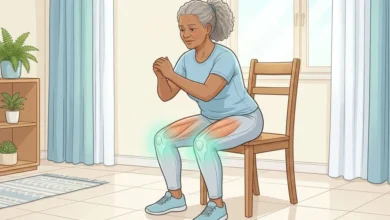
Starting the year with active goals can be exciting, but many people quickly lose momentum if they don’t build sustainable habits. The key to staying active in 2026 is to focus on small, practical changes that make exercise a consistent part of your life. Fitness tips for 2026 help set realistic goals, choose enjoyable activities, and make movement something you look forward to rather than dread.
Simple practices like walking regularly, finding workouts you genuinely enjoy, and making a consistent schedule can transform how you approach fitness. You don’t need extreme routines or expensive equipment to make progress—small adjustments to your daily habits can lead to big benefits over time. Experts emphasize that gradually adopting movement into your routine increases the chances of long-term success.
Being active not only improves physical health but also boosts mood and mental well-being. By building routines that fit your lifestyle and preferences, you’re more likely to maintain them throughout the year and feel the positive impact on your overall quality of life.

Start with small, achievable goals
Setting ambitious fitness targets can sometimes backfire. Instead, focus on small, attainable goals that fit into your daily routine. Simple milestones like walking more steps each day or stretching for a few minutes can build confidence and make movement habitual. Consistency is more important than intensity when you’re establishing a new fitness habit.
Breaking down goals into manageable steps helps you maintain momentum. Instead of committing to long workouts every day, choose realistic frequencies—like three short sessions per week—that you can sustain without overwhelming your schedule.
Prioritize activities you enjoy
Finding physical activities that you genuinely like increases the likelihood that you’ll stick with them. Whether it’s brisk walking, dancing, cycling, swimming, yoga, or any other form of movement, choose something that feels fun rather than a chore. When exercise becomes enjoyable, motivation naturally follows.
Exploring different activities also prevents boredom and keeps your routine fresh. Mixing up workouts keeps the body challenged and helps you avoid burnout over time.
Make movement part of your routine
Embedding movement into your daily schedule like any other important appointment increases your chances of consistency. Treat your activity time as non-negotiable by blocking it out in your calendar and approaching it with the same commitment as work or social obligations.
Regularity helps your body and mind expect activity at certain times, making it easier to stick with your fitness goals without needing excessive motivation each day.
Focus on overall health, not perfection
Fitness isn’t just about intense workouts; it’s about taking care of your whole body. Prioritize sleep, hydration, balanced meals, and rest days, as these elements all contribute to your ability to stay active and feel good. Recovery and rest are just as important as movement in a sustainable fitness plan, helping prevent injury and burnout.
Aim for progress, not perfection, and remember that missed workouts or slow days are normal. What matters most is returning to your routine and staying consistent over time.
Incorporate strength and flexibility training
Adding strength and flexibility exercises to your fitness plan not only improves muscle tone and mobility but also supports daily functional movement. Activities like bodyweight exercises, resistance training, Pilates or yoga enhance balance, posture, and joint health.
Strength work doesn’t need heavy equipment—all you need are basic movements like squats, push-ups, lunges, or resistance bands that can be done anywhere.
Walk more and vary intensity
Walking is one of the most accessible forms of exercise and can be done almost anywhere. Try alternating faster and slower intervals during your walk to keep your body engaged and adapt to your fitness level. Even short walking sessions contribute to cardiovascular health and overall energy levels.
As your stamina increases, vary your pace or terrain to challenge yourself gradually without drastic effort.
Schedule movement breaks during your day
If you spend long periods sitting, taking short movement breaks can boost alertness and well-being. Stand up, stretch, or walk around briefly every hour to break up sedentary time and stimulate circulation. These micro-breaks add up and support physical and mental health throughout your day.
Integrating movement into ordinary activities, like standing while talking on the phone or walking during TV commercials, makes staying active easier.
Track progress and celebrate wins
Keeping a simple log or tracker of your activities can motivate you to stay consistent. Seeing progress, even small improvements, reinforces your habits and encourages you to continue. You can celebrate small milestones—like increasing workout duration or achieving a new personal target—to stay motivated.
Tracking also helps you identify what’s working and what might need adjustment in your routine.
Adjust your plan as needed
Your fitness needs and preferences may change over time, so be flexible with your plan. If a certain activity stops being enjoyable or effective, try something new. Updating your routine keeps it fresh and can help conquer plateaus that might otherwise discourage you.
Listening to your body and adjusting your approach also helps prevent injury and keeps your long-term commitment alive.
Stay mindful and present while moving
Approaching physical activity with awareness enhances both physical and mental benefits. Mindful movement improves focus, reduces stress, and can deepen your connection to the exercise process. Paying attention to how your body feels and how movement affects your mood can turn exercise into a practice that supports your overall well-being.
Conclusion
Incorporating fitness into your life in 2026 is about more than strict routines or quick results. By setting realistic goals, choosing enjoyable activities, and building consistency, you create habits that last. Prioritizing overall health, tracking progress, and adapting your approach keeps you moving and feeling better every day. Start small, stay consistent, and make movement a natural part of your life this year.

Hello! My name is Alan Teixeira and I am passionate about helping people live healthier, more balanced lives. From mindful eating to daily habits that promote physical and mental well-being, I believe that small, consistent changes can lead to powerful transformations.
I created this blog to share practical tips, reliable information, and thoughtful insights that can inspire you to take better care of yourself—with balance, mindfulness, and positivity.
If you are looking to improve your health, nourish your body, and build a lighter, more fulfilling routine, you are in the right place. Welcome!