The Power of Fruits Rich in Potassium: How They Support Digestion and Protect Blood Vessels
fruits rich in potassium
Potassium is one of the most essential minerals for human health, responsible for balancing fluids, supporting muscle function, and protecting cardiovascular health. Including fruits rich in potassium in your daily meals can significantly improve digestion, prevent constipation, and help maintain healthy blood vessels as you age. These benefits make potassium a key nutrient for overall wellness.
Among the many fruits available, some stand out for delivering a high concentration of potassium naturally. Options like bananas, avocados, kiwis, citrus fruits, and even dried fruits such as apricots and raisins provide a powerful nutritional boost. They not only support intestinal function but also help regulate blood pressure and maintain proper circulation.
Adding fruits rich in potassium to your routine is simple, delicious, and highly effective. Whether you prefer fresh, ripe fruits, smoothies, or dried fruit snacks, your body absorbs potassium efficiently and uses it to keep your digestive system active and your cardiovascular system strong. Below, you will find the top potassium-rich fruits, how they work in the body, and tips to maximize their benefits.
Top Fruits High in Potassium and Their Benefits
Several fruits offer exceptional levels of potassium, each with unique advantages for your health:
Avocado: One of the most potassium-dense fruits, avocados are excellent for digestion, providing healthy fats and fiber while supporting stable blood pressure.
Banana: The classic and most well-known potassium source, bananas help regulate intestinal transit and are ideal for daily consumption.
Kiwi: Rich in potassium, vitamin C, and fiber, kiwi is a powerful fruit for digestion and immune support.
Oranges and Citrus Fruits: These hydrating fruits are refreshing options that deliver potassium along with antioxidants.
Dried Fruits (Apricots, Raisins, Dates): Because water is removed, these fruits contain concentrated levels of potassium. They are excellent choices when consumed in moderation.
Tropical Fruits like Passion Fruit and Melon Varieties: These fruits help balance hydration and complement your daily intake of essential minerals.
Each of these options contributes to improved digestive health, reduces intestinal discomfort, and supports smooth muscle function — essential for maintaining proper blood flow and vascular protection.
How Potassium Supports Digestion and Vascular Health
Potassium plays several key roles in the body that make these fruits especially valuable. First, potassium helps regulate fluid balance, which directly influences digestion and intestinal movement. A diet with enough potassium can alleviate constipation, reduce bloating, and help maintain a healthy gut rhythm.
Second, potassium helps balance sodium levels, preventing stiffening of blood vessels and reducing the risk of high blood pressure. It supports vascular relaxation, improving circulation and preventing strain on the cardiovascular system.
For people over 50, this becomes especially important, as natural aging leads to changes in digestion, metabolism, and vascular elasticity. Including potassium-rich fruits daily is a simple but powerful way to protect long-term health.
READ ALSO:
- The Hidden Health Risks of Ultra-Processed Foods: Why Reducing Them Matters More Than Ever
- Does Running Help You Lose Weight? How to Start and Progress Without Losing Your Breath
Follow our PAGE
How to Add More Potassium-Rich Fruits to Your Diet
There are many easy and practical ways to increase your intake of fruits high in potassium:
- Add bananas, oranges, or kiwi to your breakfast.
- Use avocado as a spread, salad topping, or smoothie addition.
- Include dried fruits like apricots or raisins in snacks or morning oatmeal.
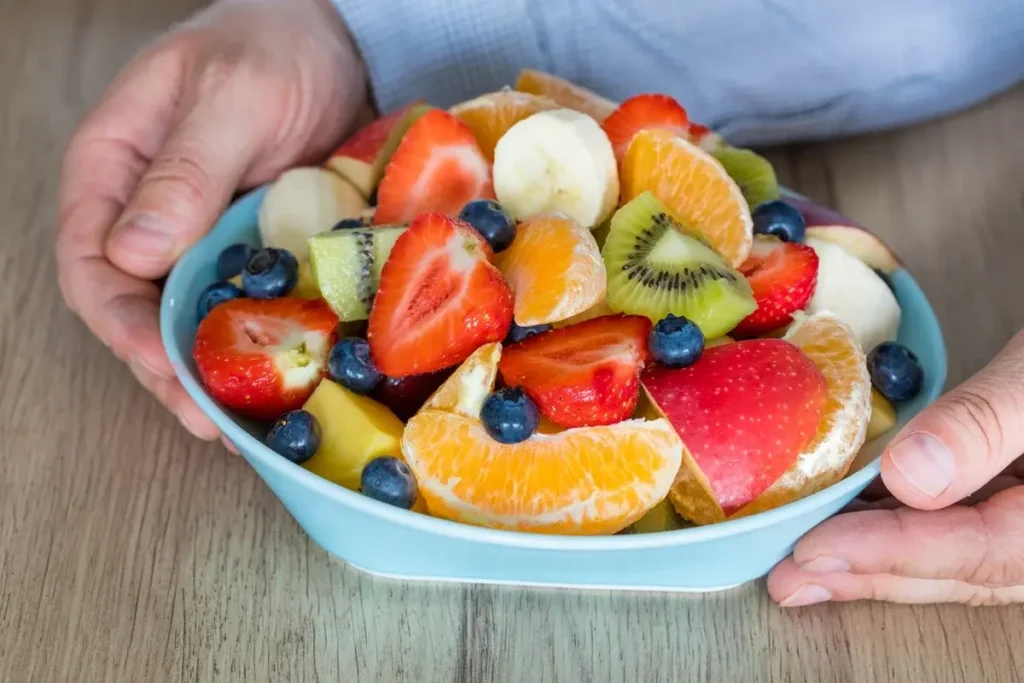
- Prepare fruit bowls mixing potassium-dense and hydrating fruits.
- Blend fruit juices or smoothies that combine citrus fruits with tropical options.
For even greater digestive benefits, pair these fruits with fiber-rich vegetables and adequate water consumption throughout the day.
If you engage in physical training or daily exercise, potassium becomes even more essential for muscle recovery and preventing cramps. Always consult a nutrition professional if you are increasing potassium intake significantly, especially if you have kidney-related conditions.
A Closer Look at Variety: Why Mixing Different Fruits Matters
While focusing on potassium is important, diversity is equally essential. Each fruit offers different vitamins, antioxidants, and fibers. A diet that includes a wide mix of fruits ensures better nutrient absorption and supports multiple body systems simultaneously.
Combining fruits like banana, kiwi, and citrus provides a balance of fast-acting energy, digestive support, and immune reinforcement. Avocado adds healthy fats that improve nutrient absorption, while dried fruits offer quick potassium boosts when needed.
This variety promotes digestive comfort, reduces inflammation, supports blood pressure stability, and offers protective effects for arteries and veins.
Conclusion
Fruits rich in potassium are fundamental allies for digestive health and cardiovascular protection. From bananas and avocados to kiwi, oranges, and dried fruits, these natural sources deliver essential nutrients that keep the intestines functioning well and help protect blood vessels from long-term damage. Their versatility makes them easy to include in any diet, regardless of age or lifestyle.
By adding a variety of potassium-dense fruits to your daily meals, you support your body’s natural balance, enhance overall well-being, and promote healthier digestion and circulation. For personalized nutritional guidance, especially if you have health conditions or dietary restrictions, consult a healthcare or nutrition professional.

Hello! My name is Alan Teixeira and I am passionate about helping people live healthier, more balanced lives. From mindful eating to daily habits that promote physical and mental well-being, I believe that small, consistent changes can lead to powerful transformations.
I created this blog to share practical tips, reliable information, and thoughtful insights that can inspire you to take better care of yourself—with balance, mindfulness, and positivity.
If you are looking to improve your health, nourish your body, and build a lighter, more fulfilling routine, you are in the right place. Welcome!